
Sometimes danger hides in plain sight—right in the home you believe is safe.
Daily routines and small habits, seemingly harmless, may quietly influence the long-term health of loved ones. For women, research now shows that a husband’s lifestyle choices—often overlooked—can have a surprisingly powerful effect on breast health over the years.

The impact of a husband’s habits on his wife’s well-being is often underestimated. Everyday choices—whether skipping workouts or lighting a cigarette—can accumulate quietly over time, creating risks many couples never anticipate. Two common behaviors, often dismissed as personal or minor, may significantly increase a wife’s likelihood of developing serious breast conditions.
Breast health is a major concern for women worldwide. While genetics, personal lifestyle, and environmental exposures are known contributors, a husband’s daily routines can play an unexpectedly important role. A partner’s support isn’t only emotional—it can directly shape the health culture of the entire household.

One major influence is a sedentary lifestyle. When a husband avoids physical activity, spends long hours sitting, or has irregular eating patterns, that behavior often sets the tone for the couple’s shared routine. Wives may unintentionally mirror these habits, making active living more difficult to maintain.
Research consistently links inactivity and excess weight to higher breast health risks, particularly for women over 40. Physical inactivity can disrupt hormone levels, increasing estrogen and raising the potential for abnormal cell growth in breast tissue. Over time, a home where inactivity becomes normal can subtly increase long-term risks.
Smoking presents another hidden household hazard. Cigarette smoke remains one of the most underestimated threats inside the home. Even when smoked outside, toxic particles cling to skin, hair, clothing, furniture, and surfaces—what experts identify as “third-hand smoke.”
This invisible residue continues to expose anyone living in the same environment, especially wives who experience close daily contact. Studies show that passive smoke exposure can elevate breast health risks, particularly in pre-menopausal women. According to the World Health Organization, women who live with smokers may face a 20–30% higher risk than those in completely smoke-free homes.
Beyond breast health, secondhand and third-hand smoke can harm the lungs, heart, and reproductive system. Even precautions like smoking on a balcony cannot fully prevent exposure; the only real protection comes from quitting entirely.
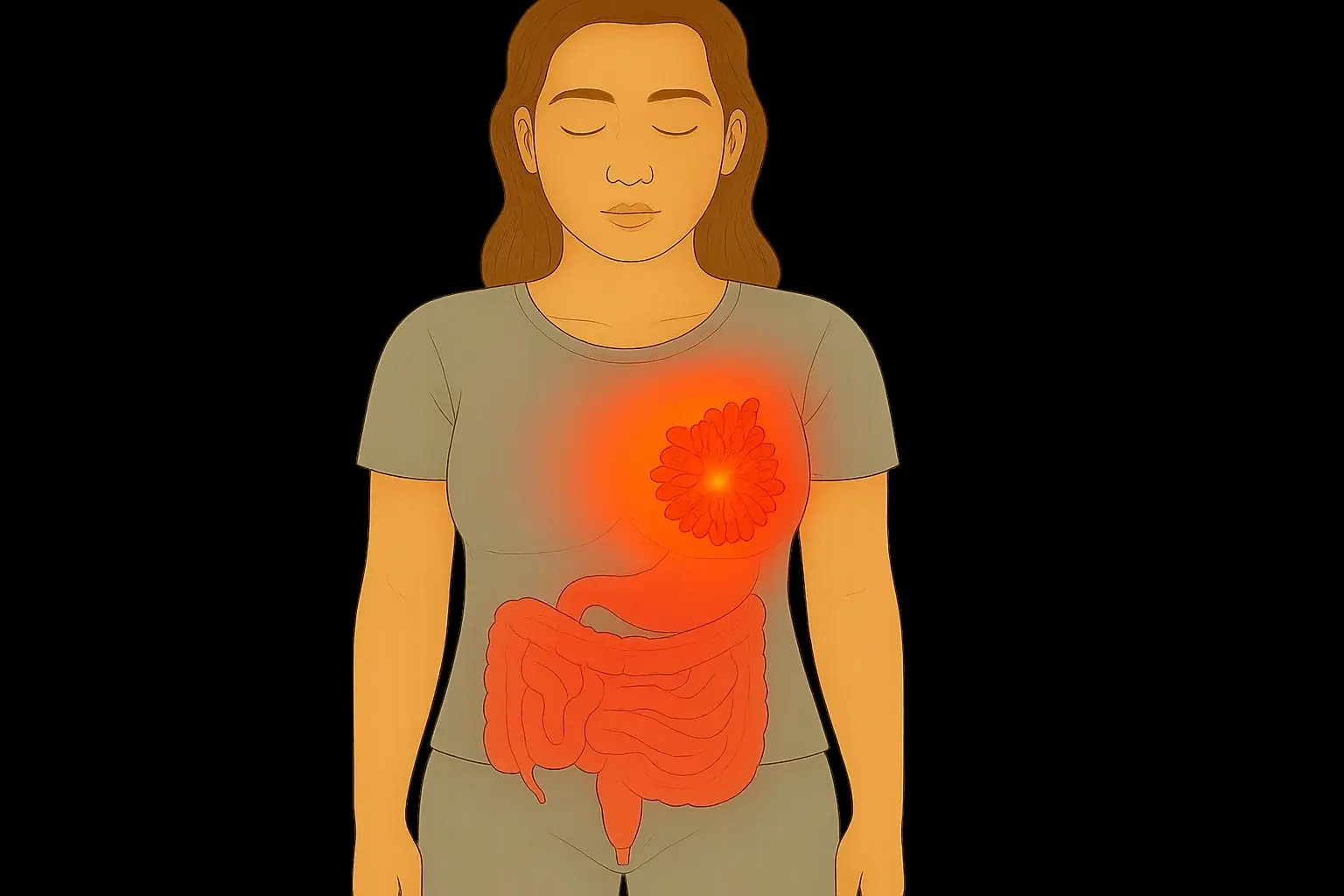
These insights highlight a simple truth: husbands’ everyday habits can quietly shape their wives’ health outcomes. While skipping exercise or smoking may seem like personal choices, they can carry long-term consequences for the entire household. The good news is that shared lifestyle changes—like walking together, joining fitness classes, or working toward smoking cessation—can dramatically improve health while strengthening trust, communication, and companionship.
Breast health is a shared responsibility, not just a woman’s concern. When couples make conscious choices together, they build a home that protects their future and promotes long-term wellness. Small, intentional habits today can create powerful benefits that last a lifetime.
Conclusion
A wife’s health is influenced not only by her own habits but also by the environment shaped by her partner’s lifestyle. The subtle but serious effects of inactivity and smoking reveal how important mutual support is within a marriage. By choosing healthier paths together, couples can create a home that nurtures, protects, and strengthens their long-term well-being.