
Trump Calls Lawmakers’ Video ‘Seditious,’ Lawmakers Insist They’re Upholding the Constitution
A recently released video has ignited a political firestorm, drawing sharp criticism from former President Donald Trump while the Democratic lawmakers involved defend it as guidance for U.S. military personnel. The controversy raises questions about military obedience, constitutional duty, and the limits of political rhetoric.
Trump Accuses Lawmakers of Sedition
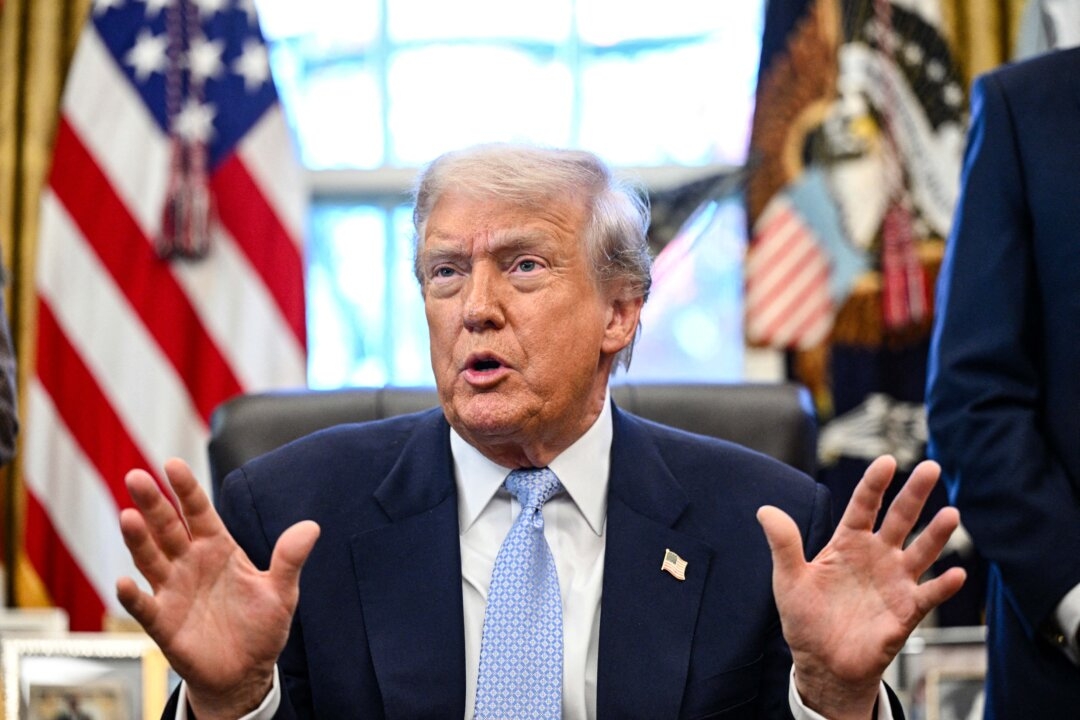
On Nov. 20, Trump posted on Truth Social that six Democratic lawmakers were engaging in “seditious behavior” after releasing a video urging service members to prioritize lawful orders over allegiance to any individual leader.
“This is really bad, and dangerous to our country. Their words cannot be allowed to stand,” Trump wrote. “Seditious behavior from traitors!!! Lock them up???” He later added: “Seditious behavior, punishable by death!”
Trump’s posts have sparked concern among his allies and conservative commentators, who argue the video could undermine civilian control of the military.
The Video and Its Message
The video features Senators Elissa Slotkin (D-Mich.) and Mark Kelly (D-Ariz.), along with Representatives Jason Crow (D-Colo.), Maggie Goodlander (D-N.H.), Chris Deluzio (D-Pa.), and Chrissy Houlahan (D-Pa.). It warns of domestic threats to the Constitution and urges service members and intelligence personnel to follow lawful orders above loyalty to any individual leader.
Slotkin, a former CIA analyst, said: “We want to speak directly to members of the Military and the Intelligence Community. The American people need you to stand up for our laws and our Constitution. Don’t give up the ship.”
The video follows Slotkin’s introduction of the “No Troops in Our Streets Act,” legislation designed to expand Congress’s oversight of domestic National Guard deployments—a response to Trump’s summer deployments in major cities.
Political Reactions and Threats
Trump allies condemned the lawmakers’ actions. Deputy Attorney General Todd Blanche told Fox News that the Justice Department would examine the video, calling it a “disgusting and inappropriate display of supposed leadership from the Democrat Party.”
Trump adviser Stephen Miller accused the six members of encouraging rebellion within the CIA and military, describing the Democrats as “dangerously radicalized” and alleging the video constituted a call for insurrection.
In response, Slotkin defended the video, writing on Facebook: “This is the law. Passed down from our Founding Fathers to ensure our military upholds its oath to the Constitution—not a king. Given Stephen Miller is directing much of a military policy, he should buff up on the Uniform Code of Military Justice.”
White House Clarification
Press Secretary Karoline Leavitt clarified that Trump does not intend to execute the lawmakers but believes they should be held accountable for their rhetoric.
She stressed the importance of preserving the military chain of command, warning that any disruption could endanger service members.
Lawmakers’ Defense
The six Democrats issued a joint statement condemning Trump’s comments as threatening and intended to intimidate them. “What’s most telling is that the President considers it punishable by death for us to restate the law,” they wrote. They emphasized that their guidance is intended to help military personnel follow lawful orders and protect the Constitution, not advance political objectives.
“This is about who we are as Americans,” the statement continued. “Every American must unite and condemn the President’s calls for our murder and political violence. We will not be intimidated.”
Conclusion
The confrontation highlights rising tensions over military obedience, constitutional responsibility, and the role of elected officials in speaking out. While Trump frames the lawmakers’ message as seditious, they insist they are fulfilling a legal and patriotic duty.
In this polarized moment, the debate underscores the delicate balance between civilian leadership, military protocol, and the constitutional rights of lawmakers to voice guidance and concern.